

“This article information is solely meant to be educational and instructive and it is not meant to replace professional medical or dental advice diagnosis or treatment. If you have any questions about a medical problem you should always ask your dentist doctor or other certified health professional.”
Navigating the Implant Timeline: How Long Will You Be Without Teeth?
Dental implants are a major step in rebuilding your smile and oral health. It is normal to have questions. One of the most common worries is about the operation itself including how long I will be without teeth? It can be scary to think of having a gap in getting it perfectly.
The good news is that modern dentistry prioritizes your comfort and confidence throughout the entire process. You probably won’t have to go without a tooth for very long. Let’s look at the usual timeframe and the choices you have.
The Standard Implant Process: A Two-Stage Approach
There are two basic surgical steps in the typical implant technique. There is a time of recovery between these stages.
Stage 1: Implant Placement Surgery
Your dental surgeon or dentist will put the titanium implant post into your jawbone during the initial appointment. This post works like a fresh fake root. The area takes time to heal after this procedure. Osseointegration is the name of this important stage. Over time the bone in your jaw grows around the implant and unites with it. This technique makes a strong solid base for your new tooth. Usually osseointegration takes three to six months.
Stage 2: Abutment and Crown Placement
After osseointegration is done, you will come back for a second, smaller surgery. Your dentist will put an abutment on the post of the implant. The abutment is a piece that connects your new crown to the rest of your mouth. Your dentist will take impressions after your gums have healed around the abutment, which takes a few weeks. Then they will make and put on your permanent, custom-made crown.
So, Are You Toothless During Healing?
This is the main question. The answer is: not typically. Your dental team has a number of ways to make sure you leave each appointment with a smile.
The Temporary Tooth Solution
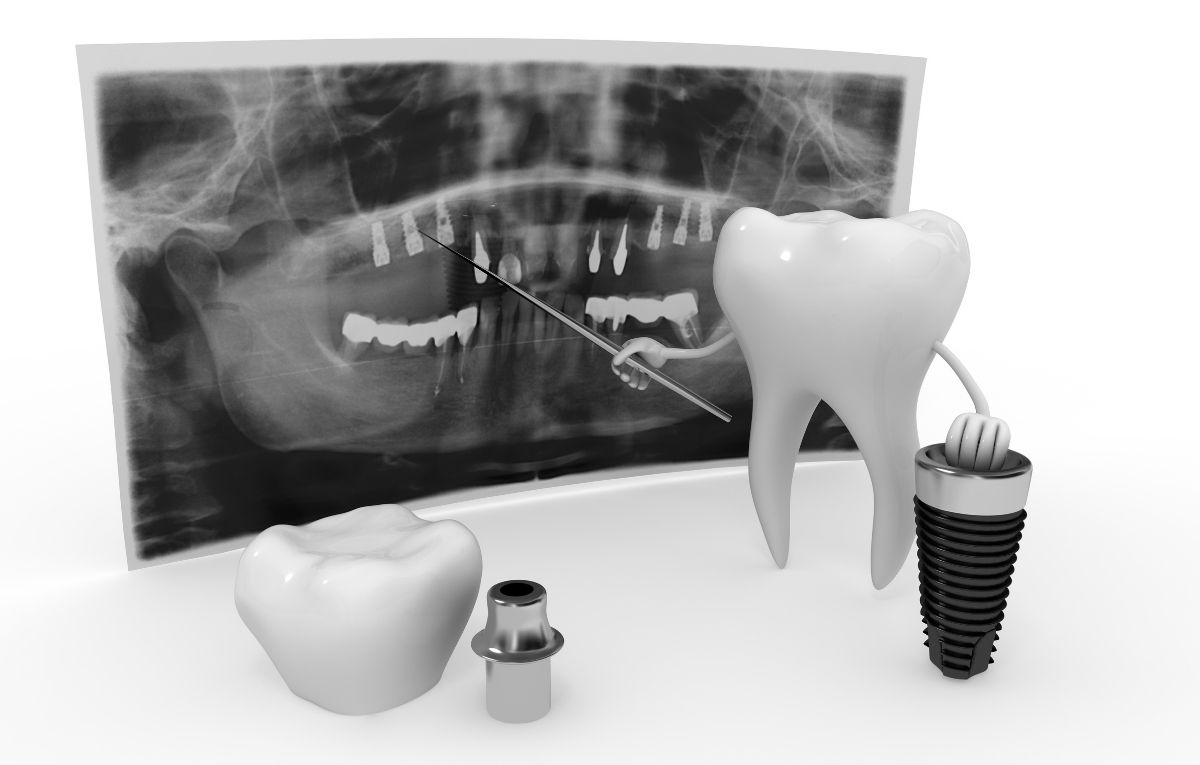
Your dentist will usually give you a temporary restoration, especially if you only have one lost tooth. A flipper tooth or a temporary crown is often used for this. These devices are used to fill the space while the body heals. They keep the surgical area safe and let you eat and talk without pain. Most significantly, they give you the courage to smile while you wait for your permanent tooth.
A flipper is a light, removable retainer that has a fake tooth on it. A temporary crown can be put on teeth next to the implant or, in certain advanced methods, on the implant itself right after it is put in (this is called instantaneous loading).
Factors That Influence Your Timeline
Your journey may be different from others. There are several things that can change how long the process takes and what kind of temporary fix you apply.
- Bone Grafting Needs: If you’ve lost bone in your jaw, you might need a bone transplant before you can get an implant. This means that the healing process will take a few more months before the operation to put in the implant can even start.
- Where the Implant: Is temporary tooth will usually be put in place of a missing tooth in the front of your mouth, where it is very easy to see. It’s still a good idea to get one for a rear molar, but it might not always be necessary.
- Immediate Load Implants: A dentist can put in the implant and put on a temporary crown on the same day in some cases. Not everyone can use this. It needs a lot of good bones. Keeping up with the latest dentistry news shows that this method is getting better, but only certain patients can use it. You can get the most recent news on these kinds of advances from trustworthy dental news today.
Staying Informed and Healthy During Treatment
Dental implants are always getting better. Following dental industry news will show you how technology is making things better for patients and increasing the chances of success. Your general health also affects how well you recuperate. A balanced diet helps your body accept the implant. If you want to learn more about this link you can read our article The Link Between Gut Health and Oral Health: How Your Diet Affects Your Teeth.
During therapy, you must keep your mouth clean at all times. This keeps you from becoming sick and ensures the greatest outcome. Most of the time, the latest dental hygiene news is about new products and methods that can help you take care of your temporary restoration and healing gums.
Final Thoughts
It’s mostly a thing of the past to think about not having a tooth after an extraction and while an implant heals. Cosmetic and implant dentistry today puts your looks and function first at every step. You will need to be patient while your permanent crown heals but you can be sure that you will have a temporary tooth filling the gap. A skilled dentist is the best way to determine when your Dental Care Ideas will be ready. They will provide you with a clear plan and keep you motivated as you get your smile back.
