

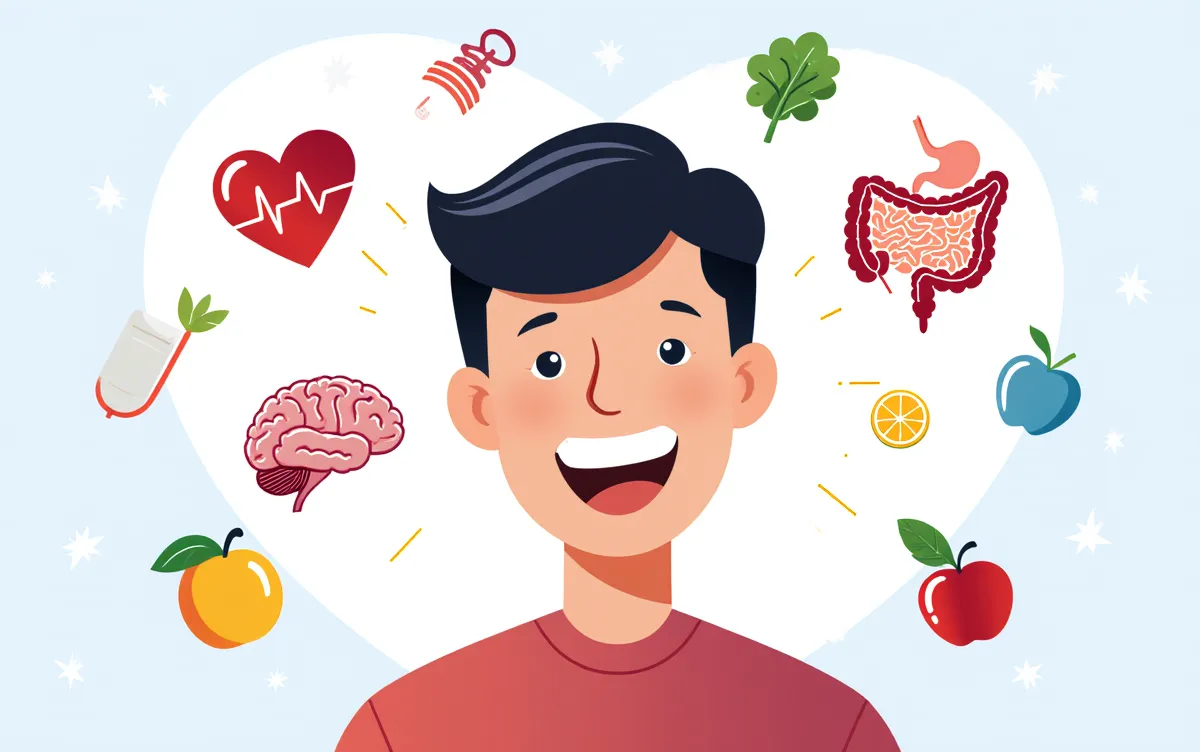
“This post talks about how oral health affects overall health or focusing on how it affects gut systemic diseases or diet and emotional health. It also reiterates the value of preventive care and lifestyle choices for living a healthier life.”
Introduction
Most people think of oral health as an independent component of the body and your mouth is a good way to see how healthy you are overall. Conditions that hurt the gums and teeth can also hurt the heart, brain and digestive system. Oral health has been a prominent topic in health news around the world since more and more doctors and nurses are learning about it. People are beginning to understand that having healthy teeth and gums is not only excellent for your smile but it is also good for your health in the long run.
Oral Health and the Body
There are billions of microorganisms in the mouth. Some of them can cause sickness if they aren’t kept in check, but most of them are safe. Not taking care of your mouth can cause plaque to build up, gum disease, and infections. These problems do not stay in the mouth. Bacteria that cause harm and inflammation can get into the blood. While research connects gum disease to heart disease, diabetes and respiratory illnesses. This illustrates that dental health is just as important as overall health.
Gut Health and Teeth
The salivary glands and the digestive system are very closely linked. The digestion begins in the mouth. Chewing and saliva break down food which makes it easier for the stomach and intestines to digest. If your teeth are not healthy this first stage can be harder. If you have missing or uncomfortable teeth it can be hard to chew which can lead to not getting enough nutrition. Imbalances in bacteria can also impact the gut. Studies show that there is a clear link between gut health and dental health which means that good tooth hygiene helps digestion.
Gut Microbiome and Oral Health
Immunity and nutrition are supported by the gut microbiota. Researchers found links between gastrointestinal and mouth microbes. Mouth infections have the potential to spread dangerous bacteria into the digestive system if they are not treated. Inflammation and disease can occur from a microbiota imbalance. Healthy teeth and gums help digestion which shows how oral and intestinal microorganisms protect health.
Diet and Dental Health
What you eat influences both your teeth and your health. In general foods that are acidic or sweet hurt enamel and feed bad microorganisms. A diet full of nutrients on the other hand maintains teeth and bones robust. Vitamin D helps the body take up calcium which makes enamel stronger. The antioxidants help to calm down swollen gums and Omega 3 fatty acids are healthy for gums and knowing how food impacts teeth may help people make better choices daily.
Foods for Healthy Teeth and Gums

Some foods make your grin healthy right away. Leafy greens have calcium and folic acid in them. Apples and carrots are two examples of crunchy fruits and vegetables that clean teeth and generate saliva. Dairy products have calcium and phosphorus in them which help protect enamel. Minerals can be found in nuts. Water washes away food and bacteria, which helps eliminate them. Eating more of these foods is good for your complete body not just your tongue.
Systemic Conditions Linked to Oral Health
Studies demonstrate unequivocal associations between oral health and systemic disorders. Heart problems are linked to gum disease. Bacteria from infected gums can make arteries swell which raises the risk of heart attacks. While diabetics often have gum disease which makes blood sugar regulation harder. Pregnant gum disease may have premature or low birth weight kids. These examples show how important oral health is for overall health.
Mental and Emotional Health
Oral health could impact mental well being People who have broken or lost teeth usually do not feel good about themselves. You can feel less sure of yourself wish to be alone or be anxious. Teeth care may improve mental wellness. Relaxed smiling can improve your mood and make talking easier. Thus dental hygiene is part of mental health.
Preventive Care and Wellness
While preventive treatment is crucial brushing and flossing daily controlling germs and maintaining gum health. The regular dental appointments may detect issues early. Sealants fluoride and professional cleanings reduce hazards. Quitting smoking and drinking less can benefit your gums and preventive dental care saves money and improves health.
How Your Diet Affects Your Teeth
Learning how gut and dental health are linked is crucial. Humans feed gut and mouth organisms with food. Healthy meals bolster teeth or gums and the microbiome. Diets high in sugar and processed foods that are bad for you make bacteria out of balance. Making smart choices is good for both your teeth and your digestion. To learn more about this, see The Link Between Gut Health and Oral Health: How Your Diet Affects Your Teeth.
Taking Action for Better Wellness
Having better teeth means having a better quality of life. If people have strong jaws they can eat a lot of healthy foods. Taking care of your gum health lessens your risk of getting long term health problems. Regular dental care can prevent painful and costly issues. Brushing flossing or eating well and seeing the dentist will keep your teeth healthy for years and small changes now might keep you healthy for life.
Conclusion
Oral health and general health are very strongly linked. Oral care affects more than just the smile it affects the whole body. Having strong teeth and gums lowers the risk of long term sickness helps with digestion and improves mental health. Diet preventive care, and help from professionals are all very important. People can improve their health and quality of life by treating their mouths as they are part of their bodies.
